.png)


Enhancing Your Sailing Skills: The Ultimate Guide to Charter Experience and Education

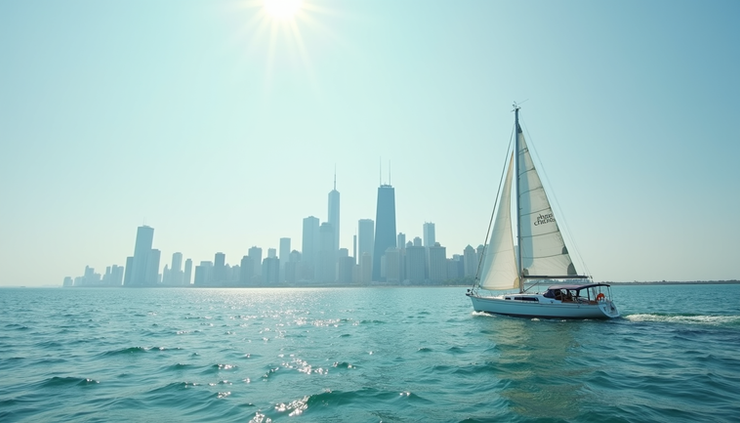
Sailing on Chicago’s waters offers a unique blend of excitement, challenge, and beauty. Whether you are a beginner or an experienced sailor, gaining hands-on charter experience combined with solid education is the best way to improve your skills and confidence on the water. This guide explores how chartering a sailboat can boost your seamanship, what educational resources to pursue, and practical tips to make the most of every sailing trip.
Why Charter Experience Matters for Sailors
Chartering a sailboat means renting a vessel for a specific period, often with or without a professional skipper. This hands-on experience is invaluable for several reasons:
Real-world practice: Sailing theory is important, but nothing compares to managing sails, steering, and navigation in actual conditions.
Exposure to different boats: Each sailboat handles differently. Chartering allows you to learn on various models, improving adaptability.
Problem-solving skills: Unexpected weather changes, equipment issues, or navigation challenges teach you to think quickly and act decisively.
Building confidence: The more time you spend on the water, the more comfortable you become with handling the boat and making decisions.
For sailors in Chicago, chartering on Lake Michigan offers diverse conditions—from calm days perfect for learning to windy afternoons that test your skills.
Educational Paths to Complement Chartering
While experience is key, structured education strengthens your foundation and safety awareness. Consider these options:
Sailing Schools and Certifications
Many sailing schools in the Chicago area offer courses ranging from beginner basics to advanced navigation and racing techniques. Certifications from recognized organizations like the American Sailing Association (ASA) or the U.S. Sailing Association (USSA) provide credibility and ensure you meet safety standards.
Basic Keelboat Course: Covers fundamental skills such as sail trim, points of sail, docking, and safety.
Bareboat Chartering Course: Prepares you to rent and operate a sailboat independently.
Advanced Courses: Navigation, weather interpretation, night sailing, and racing tactics.
Online Learning and Resources
Supplement your hands-on time with online courses, videos, and forums. Many platforms offer interactive lessons on knots, sail theory, and weather patterns. Forums and sailing communities provide real-life advice and troubleshooting tips.
Mentorship and Crew Opportunities
Joining a local sailing club or crew program allows you to sail with experienced captains. This mentorship accelerates learning and exposes you to different sailing styles and techniques.
Planning Your Charter for Maximum Learning
To get the most from your charter experience, plan carefully:
Choose the right boat: Start with a manageable size, such as a 25-30 foot keelboat, before moving to larger or more complex vessels.
Set clear goals: Identify what skills you want to practice—docking, sail trim, navigation, or emergency drills.
Sail with a knowledgeable partner: If you’re new, consider hiring a skipper or sailing with an experienced friend.
Practice in varied conditions: Don’t avoid windy or choppy days; these conditions teach valuable handling skills.
Keep a sailing log: Record your trips, conditions, challenges, and lessons learned to track progress.
Essential Skills to Focus on During Charters
Here are some key skills to prioritize during your charter experience:
Sail Handling and Trim
Understanding how to adjust sails for different wind angles and strengths is fundamental. Practice raising, lowering, reefing, and trimming sails smoothly.
Navigation and Chart Reading
Learn to read nautical charts, use GPS and compass, and plot courses. Practice identifying landmarks and buoys on Lake Michigan.
Docking and Mooring
Docking can be intimidating. Use your charter time to practice approaches, tying knots, and handling lines under different wind and current conditions.
Weather Awareness
Monitor weather forecasts and learn to interpret cloud formations, wind shifts, and barometric pressure changes. This knowledge helps you make safe decisions.
Safety Procedures
Run through man-overboard drills, emergency stops, and communication protocols. Knowing how to react calmly in emergencies is critical.
Overcoming Common Challenges in Charter Sailing
Every sailor faces hurdles. Here are some typical challenges and how to handle them:
Unfamiliar boat layout: Spend time before departure learning the boat’s systems and controls.
Changing weather: Always have a plan B and be ready to shorten sails or head to shelter.
Crew coordination: Clear communication and assigning roles improve teamwork and safety.
Mechanical issues: Know basic troubleshooting and carry essential tools and spare parts.
How Charter Experience Builds Seamanship for Chicago Waters
Lake Michigan’s unique conditions require specific skills:
Handling gusty winds: The lake can produce sudden wind shifts; practice quick sail adjustments.
Navigating busy harbors: Chicago’s marinas and harbors are active; mastering close-quarters maneuvering is essential.
Dealing with waves and currents: Learn to read wave patterns and use currents to your advantage.
Seasonal considerations: Understand how conditions change from spring to fall for better trip planning.
Next Steps to Enhance Your Sailing Journey
Combining charter experience with ongoing education creates a strong foundation for safe and enjoyable sailing. Here are some actionable steps:
Enroll in a local sailing course or certification program.
Plan regular charter trips focusing on different skills each time.
Join a sailing club or find a mentor to sail with.
Use online resources to deepen your theoretical knowledge.
Keep a detailed sailing journal to reflect on your progress.
By investing time in both practical experience and education, you will become a more confident, skilled sailor ready to explore Chicago’s waters with ease.


Comments